
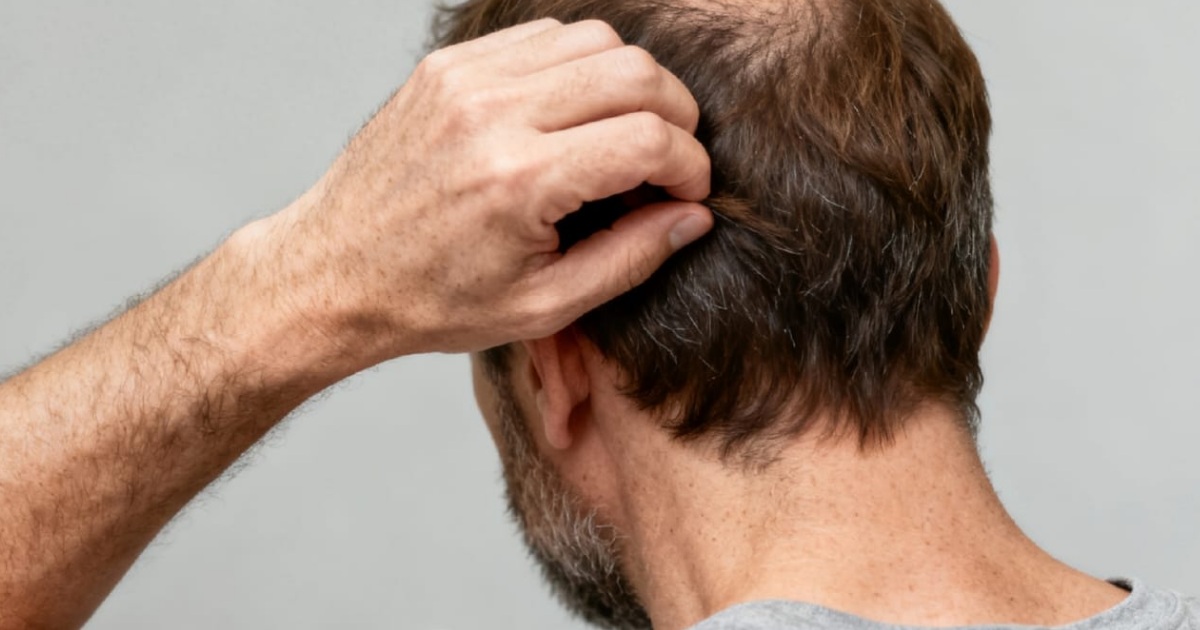
PRP has become one of the most widely discussed regenerative treatments for hair loss – and for good reason.
Short for Platelet-Rich Plasma, PRP uses a concentrated portion of your own blood, rich in platelets and growth factors, to help support weakened or miniaturizing hair follicles. Once prepared, the platelet-rich plasma is delivered into areas of thinning hair with the goal of improving the follicle environment, increasing blood supply, reducing inflammation, and helping stimulate healthier hair growth over time.
But one thing many men do not realize is that PRP is not a standardized product sitting on a shelf. It is created from your own blood in real time. That means the quality of the PRP – and ultimately the quality of the results – can vary significantly depending on how it is prepared, your own biology, and even what you do before treatment.
At Boundless, we view PRP as part of a broader, strategic approach to hair restoration.
Here are four major factors that can influence how well PRP works for hair loss.
1. PRP Quality Matters
Not all PRP is prepared the same way.
The effectiveness of PRP depends heavily on how the blood is processed and how carefully the platelet-rich layer is isolated. The goal is to separate and concentrate the platelets – the portion of the blood rich in growth factors and regenerative signaling molecules – while minimizing contamination from other components that are less useful for hair restoration.
That process sounds simple in theory, but in practice, technique matters. The type of centrifuge system being used, the speed and duration of spinning, the preparation method, and the provider’s handling technique can all influence the final quality of the PRP. If the platelet layer is not separated cleanly or is accidentally mixed back into other blood components during extraction, the concentration and consistency of the final product may be reduced.
This is one reason PRP outcomes can vary from place to place.
At Boundless, PRP is prepared using standardized protocols, medical-grade centrifugation systems, and evidence-based preparation techniques designed to maximize platelet quality and consistency.
2. Your Biology Matters
Because PRP comes from your own blood, the quality of the final product partly depends on your own biology.
Age can play a role here. In general, younger individuals tend to have stronger platelet activity and regenerative signaling compared to older individuals. As we age, platelet function and cellular repair signaling may gradually decline, which can influence how robustly the body responds to regenerative treatments.
But age is only part of the equation. Overall health, inflammation levels, metabolic health, hormone balance, stress, sleep quality, smoking, nutrition, and circulation can all influence platelet quality and follicle responsiveness as well.
This does not mean older men cannot benefit from PRP. Many do. But it does help explain why results can vary from person to person even when the same protocol is being used.
It is also one reason why hair restoration often works best when approached comprehensively.
At Boundless, we frequently pair PRP with Alma TED, an ultrasound-based delivery system that uses its own proprietary growth factor serum to help support the scalp environment and complement the regenerative signaling from PRP itself. Rather than relying on a single modality, the goal is to create stronger overall follicular support through multiple regenerative pathways. Learn more about this protocol HERE.
3. Your Preparation Matters
What you do before PRP treatment can also influence platelet function and the quality of the final PRP preparation.
For example, hydration matters. Since PRP is derived from plasma, arriving dehydrated may reduce plasma yield and make blood processing less optimal. Alcohol consumption, poor sleep, and systemic stress may also negatively influence recovery signaling and platelet performance.
One of the biggest factors, however, is NSAID use. Medications such as ibuprofen, naproxen, and aspirin can interfere with platelet function. Because PRP depends on platelets releasing growth factors and regenerative signaling molecules effectively, anything that suppresses platelet activity may potentially reduce treatment effectiveness. This is why patients are commonly advised to avoid NSAIDs before and after treatment whenever medically appropriate.
At Boundless, we provide detailed pre-treatment guidance designed to help optimize platelet quality before each PRP session, including hydration, sleep, medication, and recovery recommendations.
4. Consistency and Timing Matter
One of the biggest misconceptions about PRP is that it is a one-time solution.
Hair growth is gradual and cyclical. Every hair follicle moves through different growth phases over time, including active growth (anagen), transition (catagen), and resting/shedding phases (telogen). At any given moment, different follicles are in different stages of this cycle.
PRP works by gradually influencing the follicle environment and encouraging healthier follicular activity over time. But because hair cycles are slow – and because not all follicles respond simultaneously – meaningful improvement typically requires repeated stimulation across multiple sessions. This is why most PRP protocols involve a series of treatments spaced roughly one month apart rather than a single visit.
The timing of treatment matters too. PRP tends to work best when follicles are weakened or miniaturizing, but still alive and capable of responding. Completely dead follicles or areas of advanced baldness are generally much less responsive.
In other words, earlier intervention usually creates more opportunity.
At Boundless, PRP is typically structured as part of a broader long-term hair strategy tailored to the stage and pattern of thinning. The goal is not just to stimulate follicles temporarily, but to create the conditions for stronger, more consistent hair growth over time.
Final Thoughts
PRP remains one of the most compelling regenerative options for men experiencing early-to-moderate hair thinning. But results are influenced by far more than simply “getting PRP.”
The quality of the preparation, the biology of the patient, proper treatment preparation, and consistency over time can all significantly impact outcomes.
Understanding those variables is important – especially in a category where two places may both advertise “PRP for hair loss” while delivering very different protocols and experiences.
To learn more about Boundless hair restoration protocols, including PRP, Alma TED, microneedling, exosome-enhanced options, and personalized hair strategies for men, explore our Hair page HERE.