Hair
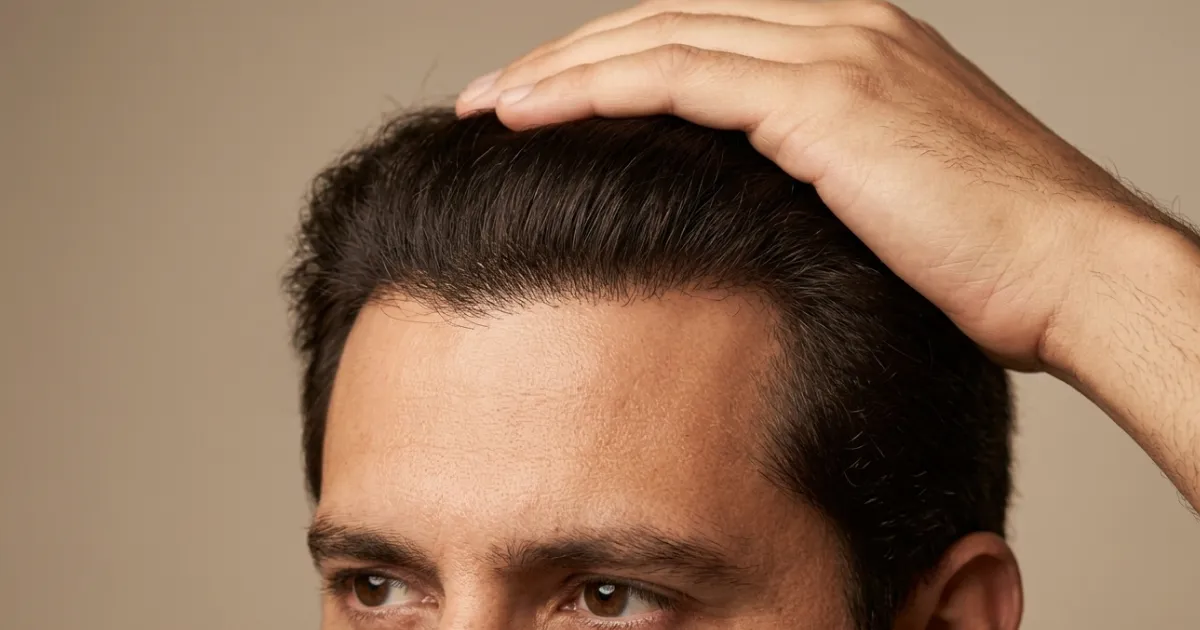
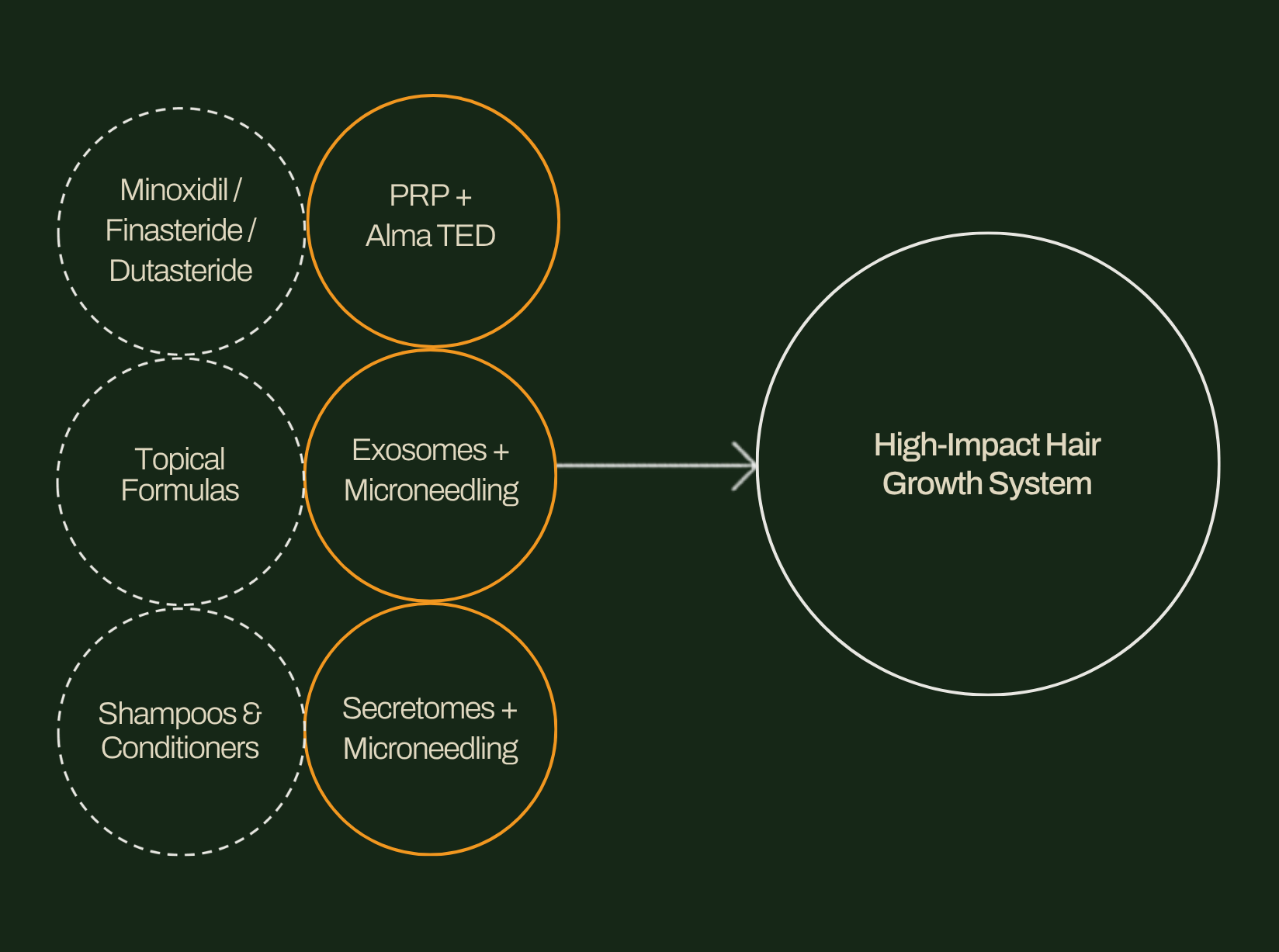
Stronger hair starts with a strategy.
Personalized plans designed to improve scalp health, support follicles, and build long-term density.
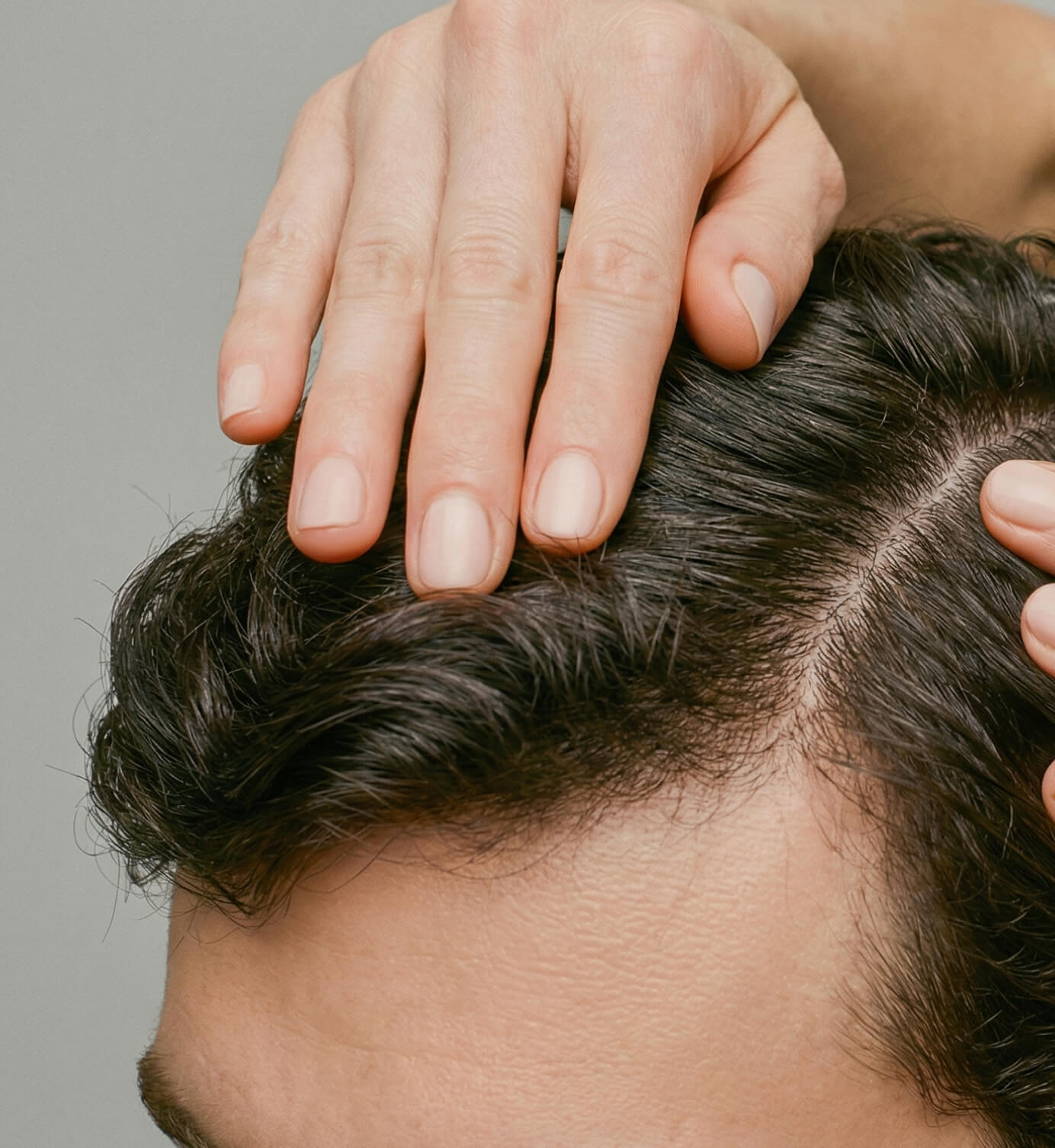


If you’re tired of piecing together products and telehealth fixes, move beyond remote solutions – with in-person protocols designed to drive stronger, more consistent results.
Of men experience male pattern baldness at some point.
Sessions typical to see visible baseline improvement.
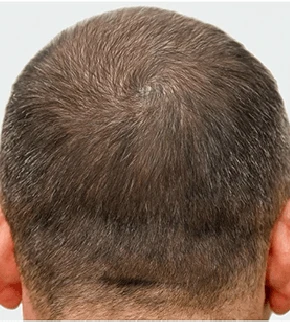


%20-%20Before.webp)
%20-%20After.webp)
%20-%20Before.webp)
%20-%20After.webp)
%20-%20Before.webp)
%20-%20After.webp)
%20-%20Before.webp)
%20-%20After.webp)


.webp)
.webp)
.webp)
.webp)
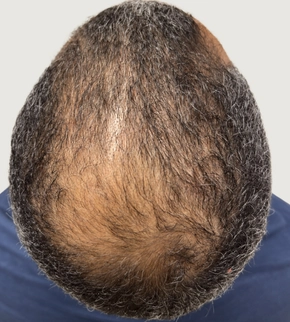
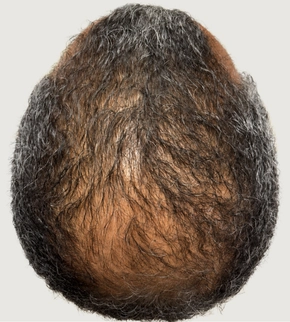
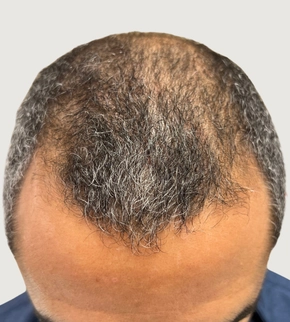
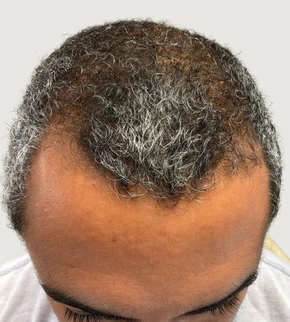
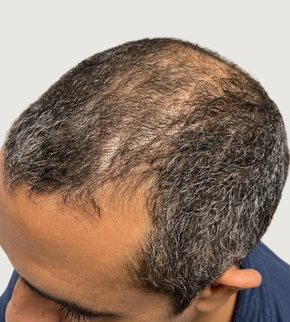
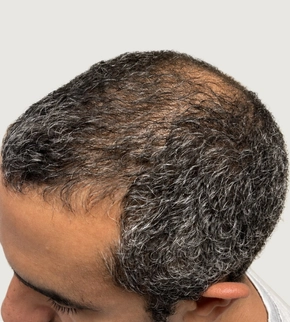
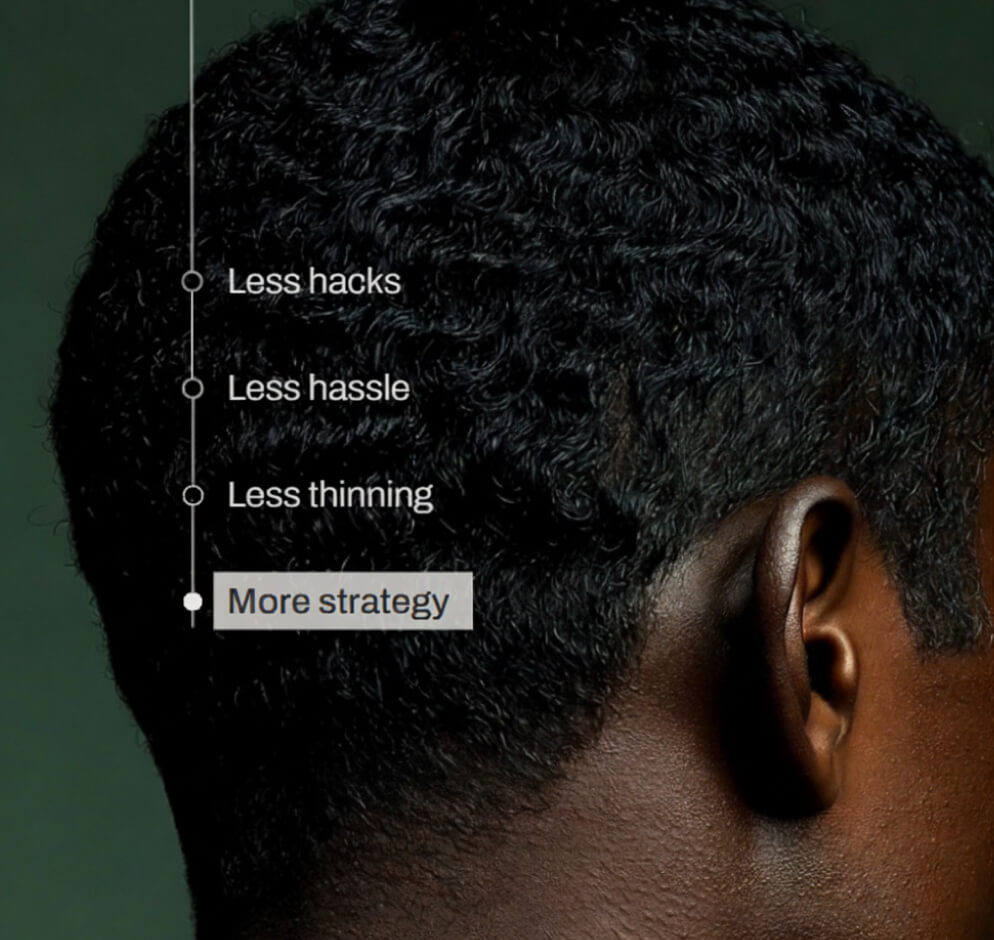
Maintaining your hairline doesn't stop when you walk out of our center. We provide the tools to keep your follicles firing every single day.
Custom topicals and curated shampoos and conditioners to support scalp health and daily hair quality.
Certain prescription-based interventions may be considered as part of a broader strategy.


Minimal. Our high-demand hair protocols, like Alma TED and PRP therapy, are engineered to be entirely low-friction. There is no surgery, no recovery period, and no reason you can't go straight back to work or the gym immediately after your session. For other protocols that involve injections or microneedling, you can go back to work straight away, but we often recommend avoiding pools, saunas, or activities with heavy sweating for 48 hours.
We respect your time. Most of our in-center hair restoration sessions are quick and highly efficient, typically getting you in and out of the studio in 30-60 minutes.
Pricing scales based on the specific clinical tools your profile requires and whether you utilize our Boundless Membership for exclusive pricing. We map out a fully transparent, customized plan during your initial physician consultation so there is no guesswork.
All three are regenerative protocols that work toward the same goal – a healthier follicular environment. The difference is in how complete the signal is.
PRP concentrates growth factors from your own blood and delivers a strong, broad push to the follicle. It's well-studied, effective for many men, and a solid baseline. The limitation is variability: PRP quality depends on your biology – age, health, platelet concentration – which makes results inconsistent across patients.
Exosomes add a precision layer. They're microscopic signaling vesicles that carry microRNA, the regulatory intelligence that tells your cells what to do, when to do it, and how strongly to respond. Rather than just pushing the follicle, exosomes help coordinate how your scalp environment responds – more organized, more targeted. The signal is standardized and doesn't depend on your platelet quality.
Secretomes take it further. The secretome is everything stem cells produce and secrete – exosomes, growth factors, cytokines, PDRN, proteins, and extracellular matrix components working together as a complete system. Where PRP sends a push and exosomes direct the response, the secretome runs the entire operation: signal, coordination, and structural support for the follicular environment in one comprehensive payload.
The practical advantage is breadth. A secretome delivers the full range of what stem cells use to orchestrate tissue repair, rather than an isolated signal or subset of vesicles. For men who want the most complete regenerative approach available – or who have tried other protocols and want to escalate – secretomes represent the top of the ladder.
Your specialist will help you determine whether this is the right starting point or the right next step, based on where you are in your loss and what your scalp needs.
Exosomes can be added to any base hair protocol that uses Alma TED or microneedling for delivery, since both methods are topical and help distribute the signal effectively across the scalp. We most commonly pair them with Alma TED + PRP as an add-on, enhancing the underlying growth signal with a more coordinated, system-level response. For men using Secretomes, an additional exosome add-on is typically unnecessary, as secretomes already include exosomes within their full regenerative profile.
Both approaches can work. The difference is in what they're doing and how reliably they do it.
PRP uses your own blood to concentrate growth factors and deliver a strong, broad “repair and grow” signal. It’s a proven protocol with a solid track record. The tradeoff is variability – results depend heavily on your platelet quality, which can differ based on age, health, and individual biology.
Exosomes take a more precise, system-level approach. They’re signaling vesicles that carry growth factors, proteins, and microRNA – a regulatory layer that tells cells what to do, when to do it, and how strongly to respond. Instead of just pushing the follicle harder, they help coordinate how the entire scalp environment behaves – improving cell communication, reducing inflammatory signaling, and supporting a more stable growth cycle.
A helpful way to think about it: PRP is like stepping on the gas. Exosomes are like stepping on the gas AND directing traffic – i.e. organizing how the system responds.
Because exosomes are sourced from optimized cell lines rather than your own blood, the signal is more standardized and less dependent on your biology. That typically translates to more consistent results across patients.
While still an emerging category, early clinical data is encouraging. Promising studies and meta-analyses report improvements in hair density (~20–45% in some cohorts), thickness (~18%), and hair count (~28%), particularly in earlier-stage hair loss. These outcomes vary by protocol and patient profile, and long-term data is still developing.
For men who want a more targeted biological approach – or who may not be ideal PRP candidates – exosomes represent a meaningful step up. For an even more advanced approach, Secretomes build on this further by delivering the full regenerative system, not just the signaling layer.
PRP works best for men with early-to-moderate thinning where follicles are still present. Before answering whether it will work, it helps to define what success looks like. There are two distinct goals – slowing or stopping further loss(stabilization), and regrowing hair you've already lost. They're not the same outcome, and the odds aren't the same either.
Stabilization is the more reliable win. Roughly 80–90% of men on a structured plan see their loss slow or stop. Regrowth is the bigger upside – about 70–80% of men see some degree of visible regrowth, but results vary based on how long you've been losing hair, how advanced the loss is, your own individual platelet quality, and how consistently you follow the plan.
That's why starting early matters. The earlier you act, the more follicles are still active and the more PRP has to work with. Platelet quality also tends to be stronger when you’re younger, which can further improve response. Even if regrowth is modest, locking in what you have is a meaningful outcome, and often the difference between holding your hair for the next decade or losing significant ground.
Your specialist will evaluate your scalp, pattern of loss, and overall health during the consult to confirm whether PRP fits your situation and what realistic results look like for you.
Discomfort is generally mild and well tolerated. Numbing treatments are applied to the scalp and left for about 20–30 minutes before microneedling, which significantly reduces sensation. Most men describe the microneedling itself as a light prickling or vibrating pressure rather than sharp pain. Areas where the scalp sits closer to the bone, like the temples and crown, may feel slightly more sensitive, but the overall experience is consistently well tolerated.
The biologic application itself is entirely comfortable. It's a topical solution applied to the scalp surface immediately after microneedling – no stinging, no burning, no irritation. Afterward, you may notice some warmth, tightness, or mild tenderness on the scalp, similar to the feeling after a light sunburn. This typically settles within a few hours and is a normal part of the healing response that drives the treatment's benefits.
Exosomes are generally well-tolerated by most men, especially when applied topically as we do. They are acellular signaling particles, not live cells, which means they don't carry the risks associated with cell-based therapies.
One important note on transparency: exosome therapies are not currently FDA-approved for cosmetic or hair-loss use, and long-term data from large-scale trials remain limited compared to more established treatments. The safety profile from available studies and clinical use to date is encouraging, and we use only medical-grade, rigorously tested formulations with standardized exosome concentration and quality control.
Secretomes are the most advanced regenerative tool we offer – a high-density, full-spectrum collection of powerful biological signals your body uses to repair and rebuild tissue. They include growth factors, exosomes, PDRN, proteins, cytokines, and signaling molecules that actively direct how cells regenerate, function, and improve over time.
These signals are produced by stem cells. Think of stem cells as the body’s master repair crew – the secretome is the full toolkit they deploy to get the job done. Instead of introducing the cells themselves, we isolate and deliver that entire signal system directly.
At Boundless, your secretome is sourced from your own hair follicles, creating a personalized, high-impact regenerative signal. Applied to the scalp after microneedling or with Alma TED, it delivers a deeper, broader, and more coordinated repair response – helping improve not just hair growth, but the entire follicle environment for stronger, more consistent results.
Exosomes are microscopic signaling particles that your cells naturally produce and release to communicate with one another. They carry growth factors, proteins, and microRNAs, which help regulate how cells repair and function and support a healthier follicle environment. Think of them as tiny biological text messages, carrying biological signals that influence how surrounding cells function, repair, and regenerate.
In regenerative medicine, exosomes are purified from stem cell sources and prepared for clinical use. They do not replicate or grow new tissue themselves. They work by signaling your existing cells to do their jobs more effectively. They are useful both in skin and hair applications. In hair treatments, they are applied to the scalp to support follicle health, reduce the inflammation that quietly disrupts the growth cycle, and help create a biological environment where hair can thrive.
At Boundless, we use a medical-grade exosome preparation derived from rigorously screened and processed stem cell sources. They undergo extensive purification and quality testing to ensure a consistent, standardized concentration of biologically active signaling molecules in every vial, providing each treatment session with a reliable, reproducible biological foundation that less rigorously sourced preparations cannot guarantee.
PRP & Alma TED works best for men with early-to-moderate thinning where follicles are still present. Before answering whether it will work, it helps to define what success looks like. There are two distinct goals – slowing or stopping further loss (stabilization), and regrowing hair you've already lost. They're not the same outcome, and the odds aren't the same either.
Stabilization is the more reliable win. Roughly 80–90% of men on a structured plan see their loss slow or stop. Regrowth is the bigger upside – about 70–80% of men see some degree of visible regrowth – but results vary based on how long you've been losing hair, how advanced the loss is, and how consistently you follow the plan.
That's why starting early matters. The earlier you act, the more follicles are still active and the more the protocol has to work with. Even if regrowth is modest, locking in what you have is a meaningful outcome – and often the difference between holding your hair for the next decade or losing significant ground.
This protocol is particularly suited to men with diffuse thinning across the scalp, men who want to avoid injections, and men who value a comfortable, sustainable approach they can stick with long term. It's also a strong fit for slightly older men or men whose own platelets may be less robust – combining PRP with the Alma TED Hair Care Formula reinforces your platelets with additional growth factors, peptides, and DHT-targeting actives delivered directly into the scalp.
We recommend pairing this protocol with prescription medications and at-home hair care routines, which can help to lock in and protect gains. Your specialist can help assess the best rounded plan for you.
PDRN (Polydeoxyribonucleotide) is a powerful regenerative compound composed of biological DNA fragments. It acts as a foundational building block to repair damaged DNA. It can help to drive cellular repair, improve circulation, and regulate inflammation, upgrading the environment your follicles depend on.
Exosomes + Microneedling works best for men with early-to-moderate thinning where follicles are still active. Before answering whether it will work, it helps to define what success actually looks like. There are two different outcomes: stabilization, meaning slowing or stopping further loss, and regrowth, meaning improving density or thickness. They’re not the same, and they don’t have the same likelihood.
Stabilization is the more reliable outcome. Roughly 80–90% of men on a structured plan see their loss slow or stop. Regrowth is the upside. Many men do see visible improvement, but results vary based on how long the hair loss has been progressing, how advanced it is, and how consistently the plan is followed.
The biology behind this approach is well understood, and early clinical data is encouraging. Exosomes help regulate repair, reduce inflammatory signaling, and coordinate how follicles and surrounding cells behave, while microneedling activates repair pathways and improves delivery. While still fairly new, promising early clinical studies and meta-analyses report improvements in hair density (roughly ~20–45% in some cohorts), thickness (~18%), and hair count (~28%), particularly in earlier-stage hair loss. These results vary by study design, patient population, and product quality, and larger long-term trials are still emerging.
Starting point matters. The earlier you act, the more active follicles there are to work with, and the more meaningful the potential outcome. Even if regrowth is modest, stabilizing what you have is often a meaningful win, helping you maintain density over time rather than continuing to lose ground.
For best results, this is typically paired with prescription support and consistent at-home care to reinforce and protect gains. During your consult, your specialist will assess your scalp, pattern of loss, and overall health to determine whether this protocol is a strong fit and what realistic results look like for you.


We're conveniently located at:
66 E. 55th St, 6th Floor, NY, New York
(Inside the Classic Car Club)